Smartphone Camera Features Explained: What Really Matters
Skip the megapixel hype. Sensor size, lens quality, stabilization, computational photography, and reliable autofocus drive real-world results.
Sensor Size, Pixels, and What Really Drives Quality
In the world of consumer electronics, nothing confuses buyers more than megapixels. More isn't always better. What matters most is sensor size and pixel size, because larger photosites capture more light, improving dynamic range, color depth, and low‑light performance. Modern phones often use pixel binning, combining data from multiple small pixels to act like a larger one, reducing noise and boosting clarity. A higher native ISO capability can help in dim scenes, but balance matters—aggressive gain also amplifies grain. Look for honest exposure, smooth tonal transitions, and clean shadows rather than chasing extreme resolution. While quad Bayer arrangements enable flexible binning and fast HDR, they rely heavily on processing to resolve fine detail. If you routinely crop or print, resolution helps; otherwise, prioritizing sensor area and pixel quality yields more natural textures and better skin tones. In short, choose larger sensors, thoughtful pixel designs, and measured processing over the biggest megapixel number.
Lenses, Aperture, and Stabilization in Real Life
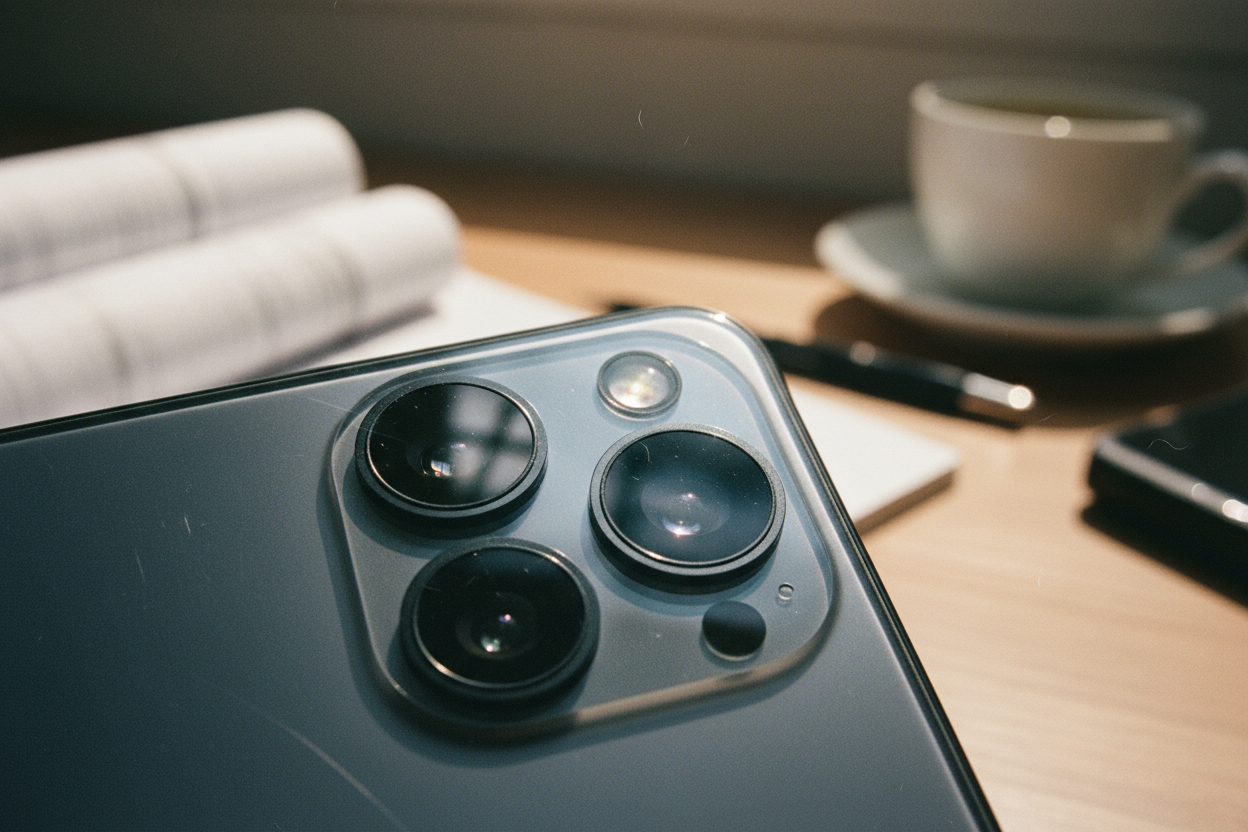
Smartphone optics are tiny, so every millimeter counts. A wider aperture (f/number) admits more light for faster shutters and cleaner night photos, but it also challenges edge sharpness and focus accuracy. Multiple lenses deliver versatility: ultrawide for scenes and interiors, telephoto for portraits and distant subjects, and dedicated macro for extreme close‑ups. Watch for distortion and color fringing on ultrawides, and pay attention to the true optical reach of telephoto modules. Reliable stabilization is crucial—OIS physically steadies the lens or sensor, while EIS aligns frames digitally; the best implementations blend both. Autofocus systems differ: PDAF brings speed, laser AF assists in low light, and contrast AF fine‑tunes precision. Consistency across lenses matters too; matched color science and exposure prevent jarring jumps when you switch cameras. If you value effortless shooting, prioritize robust OIS, balanced apertures, accurate autofocus, and lens sets that maintain the same look from ultrawide to telephoto.
Computational Photography and the Image Pipeline
What you see is as much software as hardware. The ISP and camera algorithms perform HDR, noise reduction, sharpening, and tone mapping to render a pleasing image. Great systems balance micro‑contrast with natural textures, avoiding waxy skin or crunchy edges. Multi‑frame capture is the backbone of modern imaging: computational photography stacks exposures to enhance dynamic range, pull detail from shadows, and tame highlights. In dim light, night mode aligns and merges long and short frames to reduce noise while preserving color accuracy. Smart white balance keeps scenes neutral under mixed lighting, and skin tone mapping ensures people look lifelike across different complexions. Portrait features rely on depth maps and segmentation for believable bokeh; look for clean hair edges and realistic falloff. Even the best pipeline can vary by scene, so evaluate how a phone handles backlit portraits, indoor tungsten, neon signs, and foliage. The hallmark of quality is consistent results without heavy manual tweaking.
Video Fundamentals: Stability, Detail, and Motion
Video stresses a camera differently than stills. Smooth footage depends on effective stabilization; the ideal blend uses OIS for low‑frequency shake and EIS for rapid jitters, with careful cropping to prevent wobble. Consider frame rate options for creative control—higher rates improve motion clarity, while cinematic rates emphasize blur and mood. Real detail comes from adequate bitrate and efficient codec choices, not just resolution labels. Advanced modes like HDR video or log profiles preserve highlight detail for grading, but they demand careful exposure. Watch for rolling shutter (wobbly verticals during pans) and autofocus tracking performance on moving subjects. Audio matters too: multiple microphones, wind reduction, and spatial recording can transform clips. Consistent white balance across clips reduces editing headaches. If you shoot a lot of video, prioritize stability, dependable AF, high bitrates, and thermal control so quality doesn't degrade during extended recording.
What to Prioritize When You're Choosing
Spec sheets can't replace real‑world confidence. Start with consistency: does the camera deliver reliable color and exposure in bright sun, indoor ambient light, and low‑light scenes? Evaluate skin tones, highlight control, and shadow cleanliness across all lenses. If you love portraits, check edge detection and natural bokeh. For travelers, ultrawide quality and dependable telephoto reach beat novelty modes. Creators should look for RAW support, a capable Pro mode, flexible focus and exposure controls, and stable video with solid audio. Don't overlook practicalities: storage for large files, battery endurance, and thermal behavior during long shoots. Software is part of the package—camera app speed, intuitive UI, and regular optimization can elevate the hardware. Finally, trust sample shots taken in scenes you actually care about. The best smartphone camera isn't the one with the largest number—it's the one that fits your style, handles your lighting, and delivers results you love on the first try.