Photography Guide: Capturing Magic on the Road
Master road-trip photography with light-savvy shooting, smart gear, ethical storytelling, and a rock-solid workflow—wherever the journey leads.
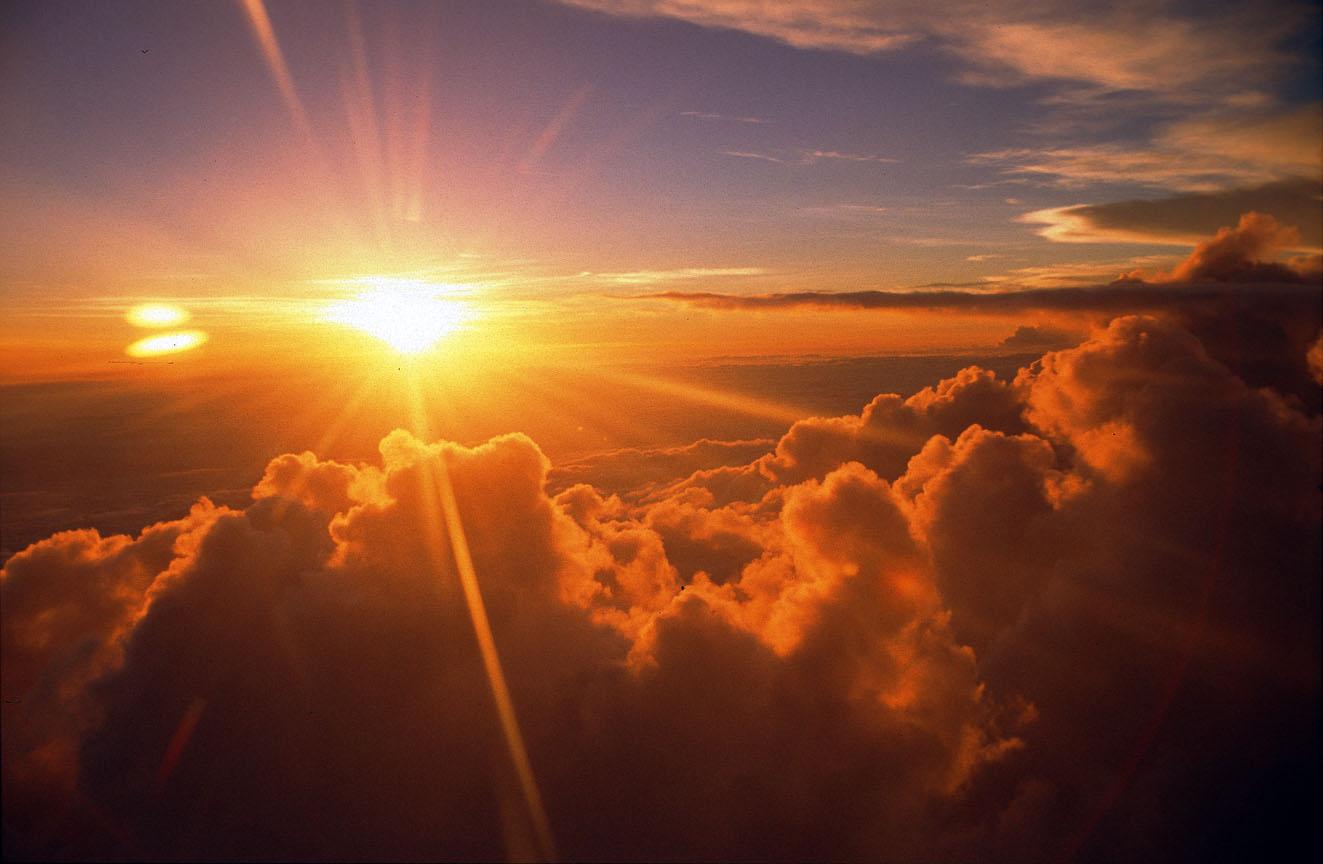
Chasing Light on the Move — Travel rewards those who read the light. Start your day tuned to how golden hour sculpts peaks, streets, and coastlines with long shadows and warm tones, then watch how blue hour cools the scene for moody silhouettes. When the sun climbs high, embrace the challenge: turn harsh mid-day glare into graphic shadow play, use backlighting for halos around hair and foliage, or seek reflective surfaces like water and windows to bounce illumination where you need it. Overcast skies act as a giant softbox, perfect for portraits and textures. If colors feel off, adjust white balance to preserve atmosphere rather than chasing clinical accuracy. Use your histogram to protect highlights in bright sand or snow, and expose for the story you want to tell. The road changes quickly, so train yourself to notice the angle of light on faces, the glint on cobblestones, and the way clouds open windows of brightness across a valley.
Composing Beyond the Postcard — Strong travel images rely on thoughtful composition that invites viewers to step inside. Build depth with a compelling foreground, something tactile like a patterned tile, weathered railing, or wildflower, leading the eye via leading lines toward your subject. Place key elements using the rule of thirds, then break it when symmetry or negative space better serves the scene. Seek frames within frames—doorways, arches, canopy branches—to add context and guide attention. Explore perspective by crouching low for scale or climbing higher to reveal patterns, and try both vertical and horizontal orientations to fit the story. Layer people, architecture, and landforms to show scale and culture in one frame. Reduce visual clutter by simplifying backgrounds, waiting for clean gaps in foot traffic, or adjusting your angle by a step or two. Travel composition thrives on curiosity: move your feet, refine your edges, and craft photographs that breathe.
Timing, Motion, and Patience — On the road, timing turns ordinary scenes into story moments. Anticipate patterns: ferry ramps dropping, market stalls opening, streetlights flickering on, a gust that lifts a scarf. Use shutter speed intentionally—freeze a cyclist against bold geometry, or slow down for motion blur that suggests energy and direction. Practice panning to track motion and keep your subject sharp while the background sweeps into lines. When you lack a tripod, stabilize with a railing, backpack, or a folded jacket, and steady your breathing before the shot. Burst mode helps with fleeting gestures, but patience matters more; let the scene develop until elements align. In low light, embrace the mood: lean into grain, reflective puddles, and neon glows. Small, repeatable habits—like pre-focusing on a zone, checking edges, and timing a step just as shadows stretch—turn fleeting travel moments into deliberate captures. Patience is the quiet passport to remarkable frames.
People, Culture, and Ethical Portraits — Respectful portraiture enhances travel photography and builds meaningful connections. Begin with consent—a smile, a friendly greeting, a nod toward your camera—so the exchange feels collaborative. Seek environmental portraits that show people in context: the tools they use, the textures of a workspace, the rhythm of a street. Keep cultural sensitivity at the forefront, especially in sacred spaces or private moments, and maintain a respectful distance if someone seems uncomfortable. Avoid stereotypes by showing nuance: activities, expressions, and small details that reveal personality. Share the image on your screen, offer to send a copy, and thank your subject sincerely. Use soft, natural light when possible, and minimize intrusive flash. Compose with care—clean backgrounds, supportive colors, and gestures that honor dignity. Ethical choices build trust, and trust yields authentic images that reflect people as they wish to be seen, turning a quick photograph into a true exchange.
Lean Gear, Smart Workflow — Travel favors minimalism. Choose a versatile lens setup, keep a compact support like a small clamp or beanbag, and pack a lightweight cleaning kit for dust and salt. Carry extra batteries, a redundant set of memory cards, and a simple daily backup routine—copy to a portable drive and a secondary location if possible. Shoot RAW for flexibility, and adopt consistent file naming so images are easy to organize later. Protect your kit with a weather cover, dry bags, and silica packets in humid climates. Keep a slim checklist before leaving each stop: cards cleared, batteries charged, lens wiped, settings reset. Take quick notes on place names and details to enrich captions. Move efficiently by assigning pockets for specific items; muscle memory reduces fumbling when light breaks. With a lean bag and a reliable workflow, you stay present, nimble, and ready when the scene unfolds.
From Frames to Storytelling — Great travel photography becomes memorable when individual frames form a cohesive story. Think in sequences: an establishing shot to set place, a medium scene for interactions, close-up details that reveal texture and craft, and transitions that carry the viewer from one moment to the next. Create a simple shot list for each location—landscape overview, human element, small artifact, food or flora, night mood—then stay open to surprises. Aim for a consistent color palette and rhythm so images flow rather than compete. In editing, keep only photographs that serve the narrative, harmonize contrast and white balance, and let one hero image lead. Write concise captions that add context without telling the entire story. A thoughtful sequence transforms your journey from a collection of pretty scenes into a narrative arc, inviting viewers to feel place, culture, and motion long after the road unwinds.