From Drones to EVs: Where Brushless Motors Shine
Brushless motors power everything from agile drones to efficient EVs, delivering high torque, precision control, and long life where efficiency matters most.
Brushless Basics: Why They Matter
Brushless motors transform electrical energy into motion with a blend of simplicity and sophistication. Instead of mechanical brushes, they rely on electronic commutation, switching current through stator windings while permanent magnets spin on the rotor. This design slashes friction and wear, boosting efficiency, reliability, and service life compared with brushed counterparts. High torque density and an excellent power-to-weight ratio make them ideal where space and mass are at a premium. Because there are no brushes to spark or degrade, they run cooler and quieter, enhancing NVH characteristics across applications. Precision control using field-oriented control (FOC), Hall sensors, or encoders unlocks smooth startups, tight speed regulation, and responsive torque delivery. The result is a wide operating range, from delicate low-speed positioning to sustained high-speed duty. Pair these traits with compact inverters/ESCs, and you get smart, software-defined motion that's easy to tune, monitor, and integrate. In short, brushless architecture sets a high benchmark for modern motors, uniting performance, endurance, and control.
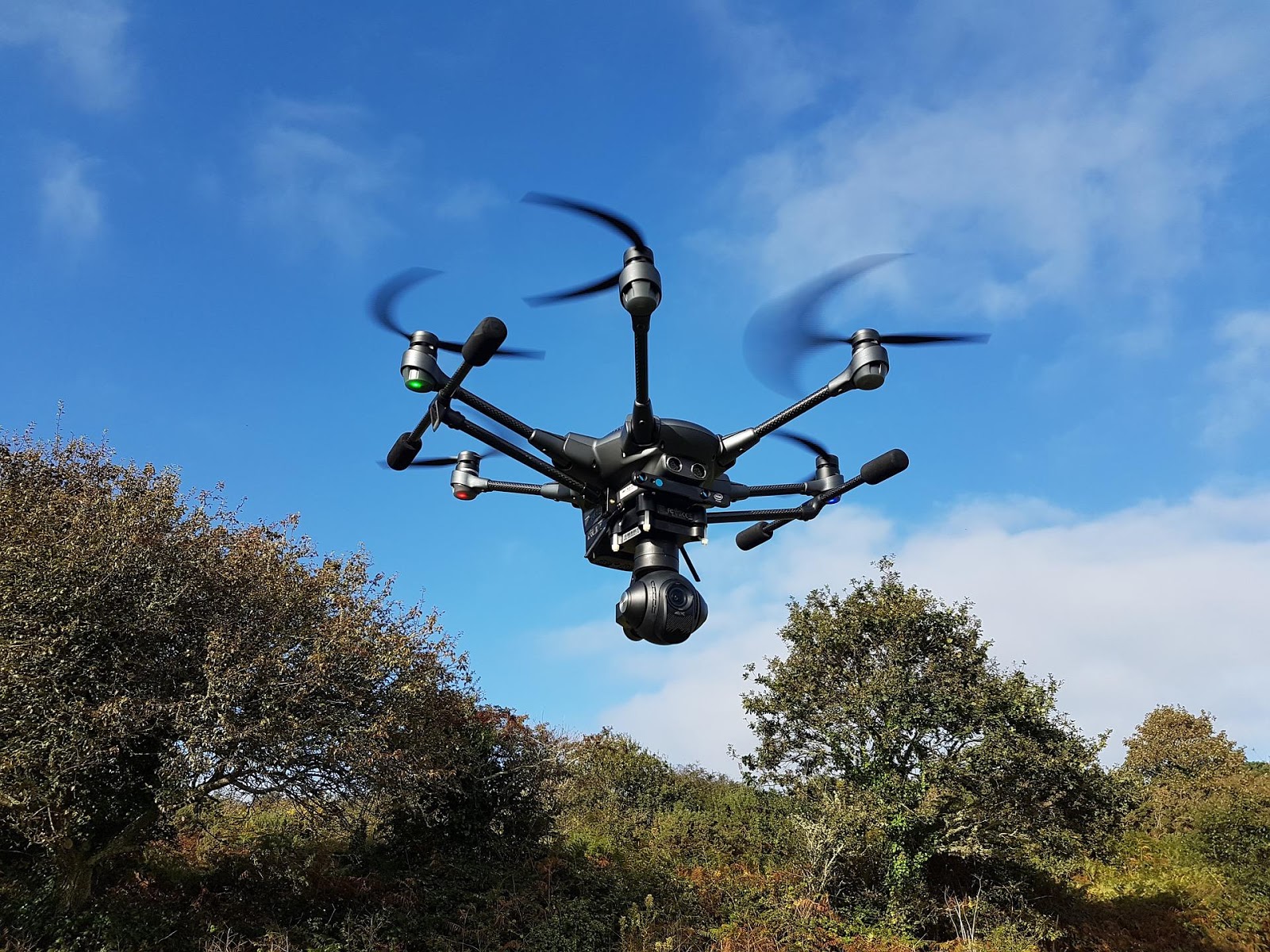
Drones: Agility in the Air
In multirotor and fixed-wing platforms, brushless motors deliver the agility, efficiency, and responsiveness that keep drones stable and nimble. Outrunner designs maximize torque at low RPM, spinning larger propellers with minimal gear reduction for crisp throttle response. High-frequency ESC control and refined PWM algorithms enable rapid acceleration, active braking, and consistent thrust across changing air loads. Low cogging torque and reduced vibration help gimbals produce steadier footage and improve onboard sensor accuracy. Efficient propulsion extracts more flight time from compact batteries, while careful thermal management avoids power sag during climbs or hover-intensive missions. Builders can tailor KV ratings, propeller pitch, and winding choices to match payloads, from lightweight camera rigs to survey platforms. Robust electronic commutation also cuts maintenance, critical for fleets flying frequent sorties. Whether executing precise position holds in gusty conditions or sprinting between waypoints, brushless propulsion supplies the predictable, linear control envelope pilots and autopilots need for confident, reliable flight.
EVs: Smooth, Silent Thrust
In electric mobility, brushless motors—including permanent‑magnet synchronous and BLDC architectures—power everything from compact commuters to performance platforms. Their hallmark is instant torque at standstill, translating accelerator input into seamless, predictable motion. Advanced field‑oriented control and high-efficiency inverters manage current vectors to maximize efficiency over diverse drive cycles, while regenerative braking recovers energy and enhances range. Automakers leverage excellent NVH behavior for quiet cabins and precise control for traction and stability systems. Packaging flexibility allows single‑motor, dual‑motor, or multi‑motor layouts, enabling all‑wheel drive, torque vectoring, and platform modularity. Durable thermal management—air, liquid, or oil cooling—sustains performance during highway cruising, hill climbs, or repeated accelerations. Materials and winding strategies elevate torque density, keeping drivetrains compact without sacrificing output. Software updates refine response, improve efficiency maps, and extend longevity through protective algorithms. The outcome is confident, low‑maintenance propulsion that pairs clean acceleration with smart energy use, demonstrating why brushless technology sits at the heart of modern electric powertrains.
Robotics and Industry: Precision Workhorses
Factories, labs, and warehouses depend on brushless servomotors for accurate, repeatable motion. Their low cogging, high torque linearity, and closed‑loop control with high‑resolution encoders or resolvers yield micrometer‑level positioning and fast settling times. In robotics arms, direct drive or low‑backlash gear stages translate motor finesse into smooth paths and stable end‑effector performance. Conveyor systems benefit from quiet operation and efficiency, while AGVs and AMRs rely on compact, high‑torque hubs for reliable duty cycles. Machine tools and spindles exploit high‑speed capability with consistent torque delivery, improving surface finish and cycle times. Because there are no brushes to replace, maintenance windows shrink, supporting uptime and clean‑room demands. Smart servo drives enable real‑time diagnostics, torque limiting, and predictive maintenance informed by temperature and vibration data. The net effect is dependable precision that scales—from pick‑and‑place tasks and packaging to inspection and additive manufacturing—making brushless motors the backbone of modern, software‑defined automation.
Design Choices and What's Next
Selecting the right brushless motor starts with architecture. Inrunner designs suit high‑speed, compact builds; outrunner designs prioritize torque without heavy gearing. Choose sensorless control for simplicity or sensored setups with Hall sensors or encoders for exact startup and low‑speed finesse. Decide between direct drive for minimal backlash and high fidelity, or gear reduction to amplify torque within tight spaces. Materials matter: stator laminations reduce eddy losses, winding patterns shape torque ripple, and magnet grade influences thermal and demagnetization resilience. Cooling—air, liquid, or oil—extends peak performance and duty cycles. On the electronics side, GaN/SiC devices raise switching efficiency and shrink inverters, while integrated drives pack control, protection, and telemetry into a single module. Sustainability advances target rare‑earth magnets, recyclability, and longer lifecycles. Expect broader adoption across micromobility, smart appliances, compact machinery, and emerging aero concepts. With software‑centric tuning and data‑driven health monitoring, brushless technology will keep delivering cleaner, denser, and smarter motion.