Electric Motors in Everyday Life: Hidden Powerhouses Around You
From toothbrushes to trains, electric motors quietly power our modern lives. Discover how these compact machines drive comfort, efficiency, and innovation.
Silent Servants at Home — From breakfast to bedtime, compact electric motors hum through daily routines you barely notice. In the kitchen, the blender's sharp surge of torque purees fruit, while the fridge relies on a rugged induction motor to drive the compressor that keeps food cold. Dishwashers move water with durable pumps, then spin spray arms with small geared units. A microwave's turntable and cooling fans are motor-driven, and the coffee grinder's quick burst is a high-speed brushless DC (BLDC) whirl. Laundry day showcases direct drive washers that spin precisely without belts, and dryers tumble clothing with steady, low-vibration rotation. Even the quiet whirr of a robot vacuum comes from compact drive motors and a tiny suction fan working in tandem. Electric toothbrushes, hair dryers, and stand mixers all convert electrical energy into measured motion, balancing speed, torque, and efficiency to deliver reliable results. These home helpers are the hidden mechanical heartbeat of modern comfort.
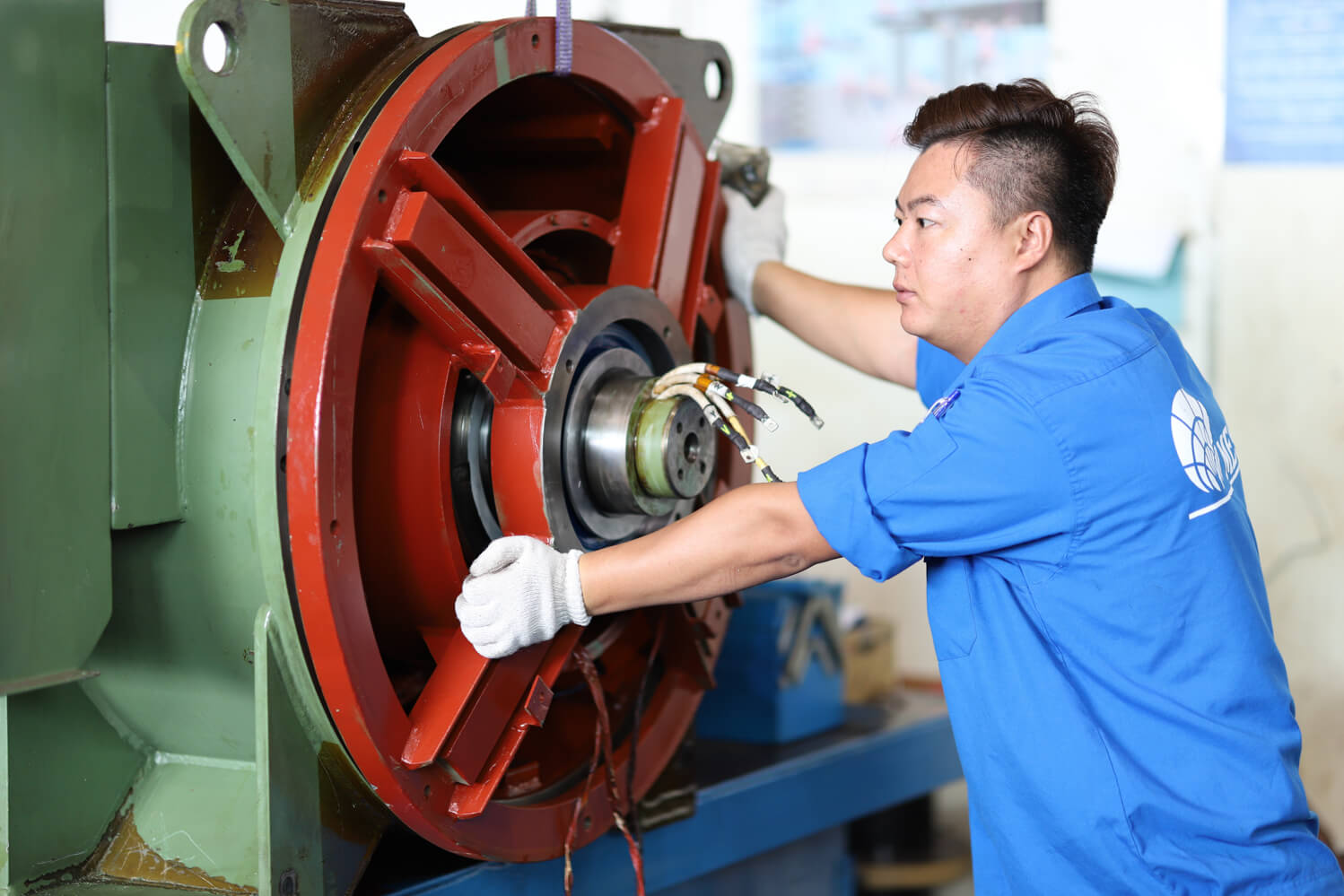
Comfort, Climate, and Clean Air — Your comfort depends on a choreographed ensemble of HVAC motors. A heat pump's compressor pushes refrigerant through coils, while variable frequency drives (VFDs) modulate blower speeds to maintain even temperatures with less noise and energy use. Ceiling fans circulate air using efficient AC or BLDC motors, nudging perceived temperature without heavy power consumption. Behind the walls, circulator pumps move hot water through radiators or floors for steady, gentle warmth. Bathroom and range ventilation fans exhaust humidity and odors, protecting surfaces and indoor air quality. Smart controls adjust duty cycles and airflow, but it's the motors that translate choices into motion, maintaining comfort with quiet precision. When systems ramp up slowly and match output to demand, they reduce wear, enhance efficiency, and deliver a smoother experience. The result is a calmer home environment where temperature, humidity, and air cleanliness are managed by compact, tireless motors spinning out of sight.
Moving People and Things — Transportation and building mobility run on dependable traction motors and clever actuators. Electric bicycles and scooters rely on compact BLDC hubs that deliver instant torque and regenerative braking, helping riders glide up hills and recover energy on descents. Elevators lift smoothly thanks to powerful AC drives and precise servo control, while escalators use steady induction motors to carry thousands of steps without fuss. At doors and gates, quiet gear motors open and close panels with safe, predictable force; in garages, balanced lifting pairs with smart sensors to protect people and belongings. In cars, small motors adjust seats and mirrors, power windows, run cooling fans, and wipe windshields; in warehouses and airports, conveyors with stepper or servo drives keep parcels and luggage moving in well-timed streams. Even drones depend on finely tuned BLDC propulsion for stable flight. Everywhere you look, motion is orchestrated by motors that convert electrons into reliable, controlled movement.
Tools, Gadgets, and Play — Workshops and living rooms alike are filled with motor-driven magic. Cordless drills, saws, and grinders harness high-RPM BLDC motors to deliver power with minimal weight, governed by smart electronics that balance torque and runtime. Sewing machines and 3D printers depend on stepper and servo motors for stitch-perfect or layer-precise motion, turning designs into tangible results. In offices, printers feed paper with synchronized rollers, and quiet cooling fans prevent devices from overheating. Phones, game controllers, and wearables use tiny haptic motors—ERM spinners and LRA actuators—to translate alerts and gameplay into tactile cues. Cameras focus with micro actuators, while gimbals stabilize video with silky servo adjustments. Outdoors, trimmers, blowers, and compact mowers powered by efficient motors reduce noise and maintenance compared to combustion tools. These devices blend precision, responsiveness, and durability, proving that the same principles that move an elevator can also sharpen a drill bit or give a gentle buzz to your wrist.
Why These Motors Matter — The magic behind every spin is grounded in electromagnetism: currents create magnetic fields, fields create motion, and clever design channels that motion into useful work. Choosing the right motor involves balancing the torque–speed curve, efficiency, noise, size, and cost. Induction motors excel at durability and simplicity; BLDC and servo systems shine at control and efficiency; steppers deliver reliable positioning without complex feedback. Pairing motors with inverters or VFDs enables variable speed, smoother starts, and lower energy use. Good maintenance—clean filters, aligned loads, healthy bearings, and sensible duty cycles—extends life and curbs waste. For buyers, looking for variable-speed features, quiet operation, and robust warranties often signals thoughtful engineering. For communities, efficient motors reduce strain on grids and support sustainability goals. Once you notice them, you'll see that motors are not just parts; they are adaptable, invisible collaborators that keep modern life moving smoothly.