Cooling Your Motor: Proven Methods to Beat the Heat
Keep your engine cool and reliable with proven methods for better coolant flow, airflow, and heat management—from quick checks to smart upgrades.
Know Your Heat Sources: Effective thermal management starts with understanding where the heat comes from. In electric motors, I²R losses in windings, core losses from hysteresis and eddy currents, and bearing friction all add up. In combustion engines, combustion heat, frictional losses, and radiant energy from the exhaust system stack the deck against cool operation. Accessories like alternators, power electronics, and gearboxes contribute their share, while ambient temperature, altitude, and enclosure design influence the rate of heat rejection. Watch for early signs of stress: power fade, unusual smells, derating in controllers, pinging or pre-ignition in engines, and discolored insulation or oil. A cooler motor is a more efficient motor; it preserves lubricant integrity, protects insulation class and seals, and maintains tight tolerances that keep efficiency high. Treat heat as a system-level challenge: every watt not generated is a watt you don't have to remove, and every pathway you create for heat to exit is a win for consistent, reliable output.
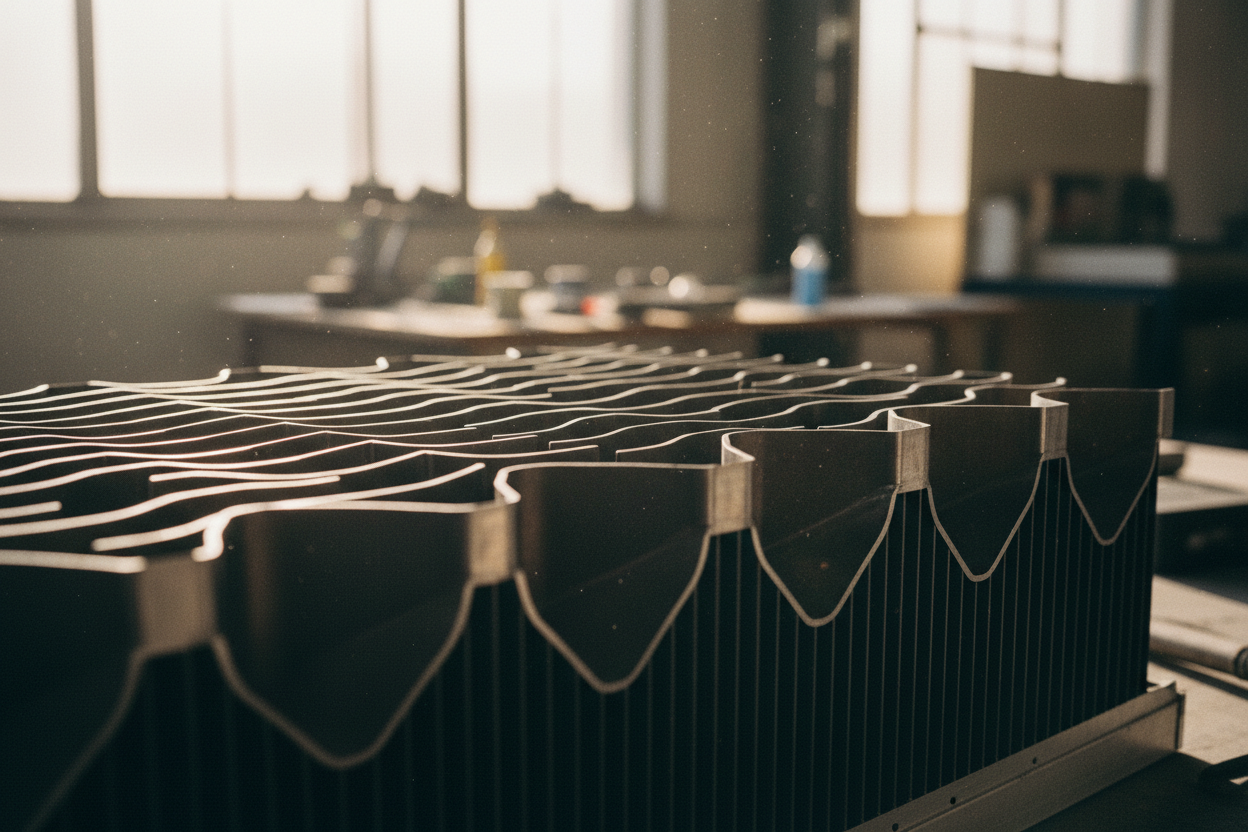
Maximize Airflow and Surface Area: Air remains a remarkably effective, lightweight coolant when you design for pressure differential and boundary-layer control. Use ducting to feed high-pressure, cool air to the motor or radiator face and a clear exit path to low pressure; without a clean path out, airflow stalls. Add fins or heat sinks to increase surface area, and keep them clean—dust and oil film act like a sweater. A well-fitted fan shroud improves pull through the entire core, while baffles prevent bypass. For enclosed installations, consider forced-air cooling with a blower sized to the motor's expected duty cycle, and mount components to encourage natural chimney effect convection. Align airflow with heat hotspots: windings, stator teeth, power modules, and exhaust manifolds. Minimize recirculation by sealing gaps where hot air could loop back to the intake. Even small tweaks to inlet velocity, exit area, and obstruction removal translate to meaningful reductions in steady-state temperature.
Dial In Liquid Cooling Systems: When air isn't enough, liquid cooling delivers higher heat capacity and more predictable heat flux handling. Prioritize coolant quality, proper concentration, and inhibitors to prevent corrosion and cavitation. A healthy pressure cap and adequate flow rate elevate the boiling point and keep hotspots in check. In engines, match the thermostat to the operating envelope and verify water pump performance; ensure the radiator core and oil cooler are appropriately sized and stacked with consideration for airflow order. For electric motors and drives, cooling jackets, cold plates, and dielectric coolants can isolate electronics while moving heat efficiently. Always bleed air pockets that sabotage circulation, route hoses to minimize kinks and sharp bends, and use heat-resistant clamps. Consider parallel vs. series plumbing for multiple components to avoid starving one device of flow. Regularly inspect for scale, degraded hoses, and weak clamps—small leaks and micro-bubbles can undo a carefully engineered loop.
Reduce Friction with Smart Lubrication: The coolest watt is the one you never generate, so attack heat at its source with superior lubrication. Select viscosity that maintains a strong hydrodynamic film at operating temperature without wasting energy on pumping losses. In engines and gearboxes, quality synthetic oils resist oxidation, keep deposits at bay, and carry heat to the cooler more effectively. For electric motors, the right bearing grease with proper NLGI grade, base oil viscosity, and additive package reduces churning losses and protects against micro-welding. Set relubrication intervals based on load, speed, and contamination levels, not just hours. Use effective filtration to keep particulates from turning your lubricant into abrasive paste. Monitor oil temperature, pressure, and dielectric strength where relevant; these are early indicators of boundary lubrication and impending heat rise. Less friction also means tighter clearances remain stable, windings avoid hot spots from rotor rub, and your cooling system has less work to do.
Shield, Insulate, and Route Heat Wisely: Smart thermal architecture keeps heat makers away from heat takers. Use reflective shields, ceramic barriers, and insulating sleeves to protect intakes, wiring, hoses, and sensitive sensors from radiant energy. On combustion setups, exhaust wrapping and manifold barriers cut under-hood soak, improving intake air temperature and helping the radiator see cooler airflow. For electric systems, place inverters, DC-DC converters, and braking resistors where they can shed heat without cooking nearby components; add thermal interface materials between modules and heat sinks to slash thermal resistance. Maintain air gaps around hot parts, and mind the direction of convection plumes so you're not feeding a motor with air warmed by brakes or electronics. Route wiring and hoses away from hot zones to preserve insulation life. Even simple layout changes—rotating a heat exchanger, spacing a cable, sealing a bulkhead—can drop local temperatures and stabilize performance.
Monitor, Maintain, and Operate for Cool Performance: What you don't measure, you can't manage. Install temperature sensors on windings, stators, coolant outlets, oil galleries, and power modules; tie them into alerts that prompt action before damage occurs. Use data logging to relate temperature to load, ambient, and duty cycle so you can optimize shrouds, pumps, and fan curves. Keep fins, cores, and screens clean; a schedule for descaling, coolant flushes, and filter changes prevents slow, silent efficiency losses. Calibrate fan controllers, verify thermostat behavior, and pressure-test loops to catch tiny leaks. Operate smart: avoid long periods of lugging, stagger peak loads, allow proper warm-up for clearances to set, and respect cool-down to prevent heat soak. If repeated thermal alarms occur, re-evaluate component sizing and airflow paths rather than masking symptoms. A disciplined approach to monitoring and habits turns cooling from a Band-Aid into a reliable, long-term performance strategy.