Beat Procrastination with Micro Habits and Tiny Wins
Stop stalling with micro habits and tiny wins. Shrink tasks to start fast, build momentum daily, and turn consistency into career leverage.
Small Starts, Big Momentum
Procrastination is often a design problem: tasks feel too large, too vague, or too far away from a rewarding finish. Micro habits slice the work down to the tiniest visible action so your brain can say yes. Instead of write the report, the micro habit is open the brief, add a working title, and draft one sentence. In the realm of career tools and productivity, this approach converts ambition into repeatable behaviors, trading pressure for consistency. You create a starting ritual—open your notes, set a short timer, type anything for thirty seconds—that lowers the activation energy and builds momentum. The beauty is that the commitment stays small even as results compound. When you reliably complete a micro step, you earn a tiny win that proves you can begin, and beginning is half the battle against delay. Over time, these wins upgrade your identity from someone who waits to someone who shows up, and that identity powers bigger, braver work.
Design Routines That Remove Friction
Procrastination often survives on tiny obstacles: a cluttered desk, unclear next steps, or too many open tabs. Make action the path of least resistance by removing friction and adding cues. Decide in advance when and where the micro habit happens—after coffee, open the project file and type one measurable line; after your morning standup, send one clarifying message. This is habit stacking and implementation intention rolled into a simple routine. Create defaults that nudge focus: silence notifications, keep only one work window open, and stage the next task before you end the day. Prepare templates for emails, briefs, and checklists so the blank page never greets you. Design your environment to make the right choice easy and the wrong choice slightly harder; even small barriers like signing out of distracting sites help. By engineering routines that start tiny and fire automatically, you shift productivity from willpower to systems—and systems are far more reliable under pressure.
Leverage Tiny Wins for Motivation Loops
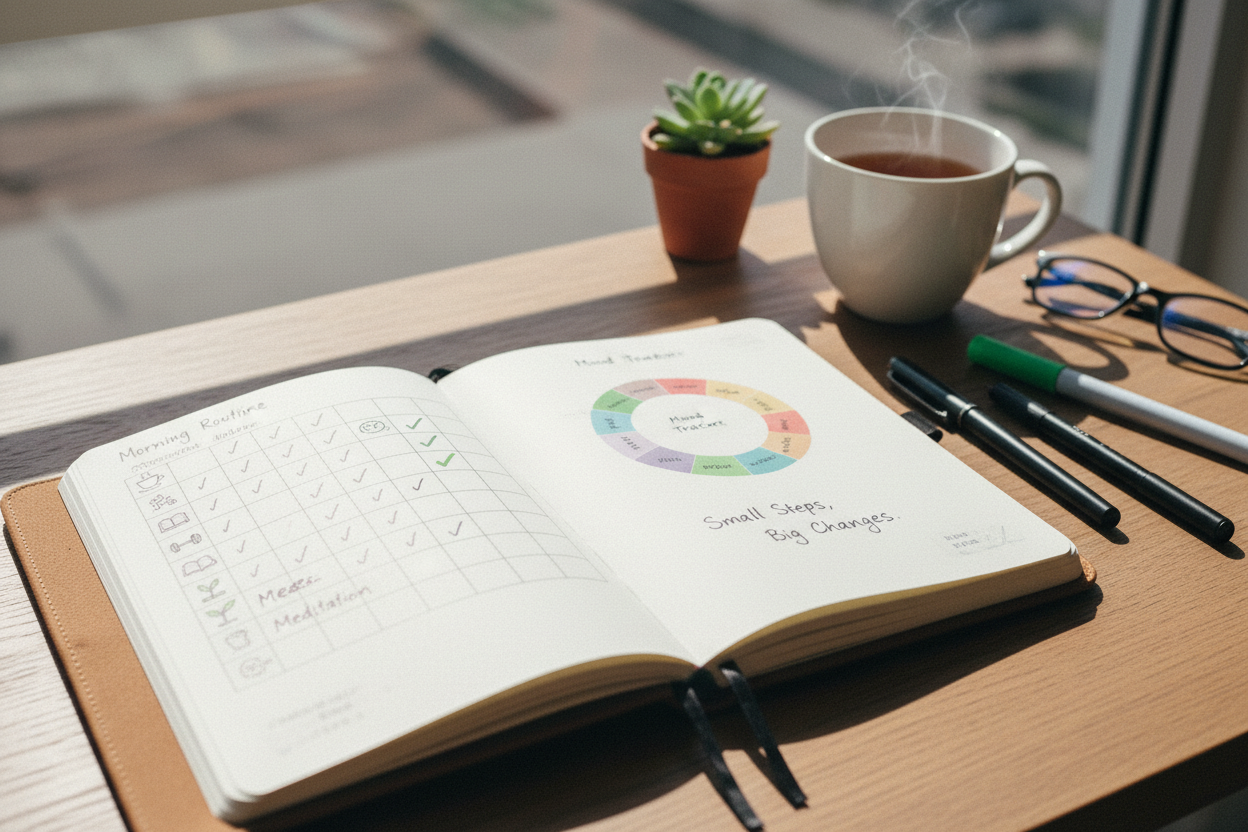
Tiny wins are not trivial; they are strategic signals to your brain that progress is underway. Each checkmark strengthens self-efficacy, the belief that your actions create results. To amplify this effect, capture progress visibly. Use a simple tracker, a sticky note, or a progress bar where you log one micro outcome per session—one sentence written, one slide refined, one stakeholder pinged. The goal is frequent feedback and quick celebration to reinforce the behavior loop. Keep the wins specific and countable so your brain can say done, not just worked on it. If motivation dips, shrink the target further: read one paragraph, outline two talking points, rename a file to clarify scope. Consistent tiny wins build confidence and reduce avoidance because success becomes predictable. Over time, you will notice a psychological upgrade: finishing stops being rare and starts feeling normal, turning productivity into a self-sustaining engine rather than a sprint fueled by stress.
Timeboxing and Micro-Deadlines
When work feels infinite, shrink the container. Timeboxing gives tasks a boundary so you can focus without negotiating. Set a small, honest micro-deadline—ten minutes to outline, eight minutes to triage your inbox, fifteen minutes to brainstorm headlines. Pair it with the 5-minute rule to guarantee a start: commit to working for five minutes, then stop or continue by choice. This reduces dread and prevents overthinking. Keep the scope tiny during each box: only the outline, only the first slide, only the first paragraph. Protect the sprint by minimizing context switching—silence alerts, close extras, and park unrelated thoughts in a capture note. End every box with a clear next step, like write the intro sentence or label three priorities, so the next session starts friction-free. Short, protected intervals cultivate focus and invite flow more often than marathon sessions, and the regular cadence of finishing timeboxes trains your brain to expect closure rather than delay.
Sustainability, Reflection, and Growth
Micro habits beat procrastination when they evolve with your reality. Use weekly reflection to review which tiny steps actually moved important projects, then iterate. If a habit is too big, shrink it; if it is too easy, stack a second step. Anticipate obstacles with a when-then plan: when a meeting runs long, then I will do a two-minute recap to keep momentum alive. Build self-compassion into your system so a missed day becomes a blip, not a spiral—resume with the smallest possible action. Align habits with identity by framing them as I am the person who shows up for five focused minutes, no matter what. Support sustainability with energy-aware scheduling, short breaks, and clear shutdown rituals that signal completion. Over time, these practices convert micro action into macro outcomes across your career. The compounding effect of tiny wins strengthens your confidence, clarifies priorities, and turns productivity from a mood into a dependable, repeatable craft.