Authentic Food Experiences: Eat Like a Local
Skip tourist menus. Savor markets, home kitchens, and humble stalls; learn etiquette and order like locals for rich, sustainable, truly memorable meals.
Start at the Market
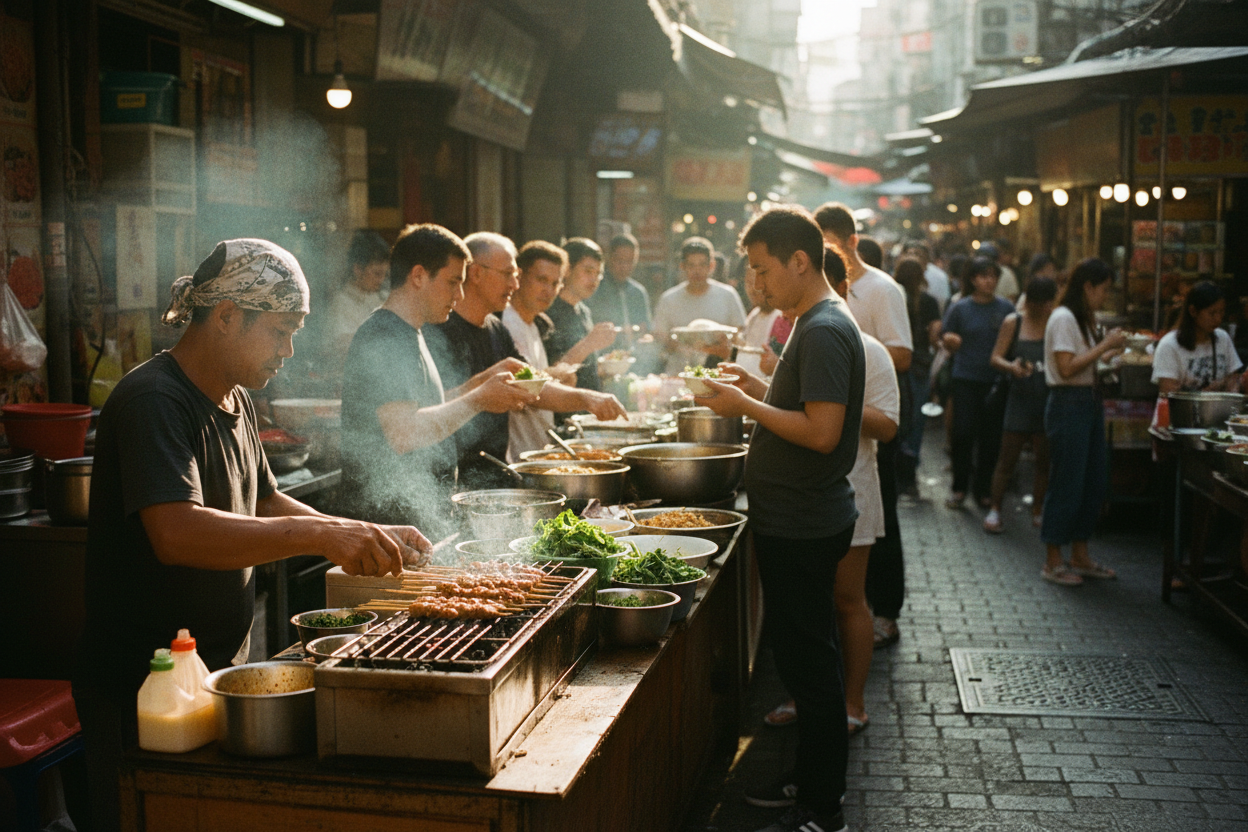
The surest way to eat like a local is to begin where everyday life hums: the market. Wander past crates of fragrant herbs, watch fishmongers work with practiced speed, and follow your senses toward sizzling griddles. Markets reveal seasonal produce, regional cheeses, pickles, and spice blends that define a place more honestly than any postcard. Arrive early to see what sells out first, ask for a taste, and buy small portions to sample widely. Learn basic etiquette such as waiting your turn, pointing politely, and carrying small bills. Try breakfast at a stall where soups steam or flatbreads puff, and let the vendor guide your choices. Notice how locals combine items, like pairing olives with citrus or sprinkling dried chili over fruit. Observe reusable containers and sustainable habits, then mirror them. A market visit is not only shopping; it is a crash course in street food, ingredients, and people, setting the tone for every meal that follows.
Follow the Rhythm of the Day
To eat authentically, sync your appetite with local meal times. In some places, the day begins with strong coffee and a sweet pastry; elsewhere breakfast is savory and substantial. Lunch might be the main event with set menus and a leisurely pace, or a quick bite eaten standing at the bar counter. Dinners could start early, late, or stretch into small plates shared over conversation. When you align with the daily rhythm, you find cooks at their best and dishes served at peak freshness. Check chalkboards for daily specials, and ask about the dish of the day rather than defaulting to a printed list. Seek family-run eateries where a short menu signals focus and a commitment to quality. Respect local customs such as queueing at the register, ordering at the counter, or paying after you finish. The goal is to blend in, not rush through, so you can taste a place the way its residents do.
Learn Through People
Recipes travel fastest through conversations. Strike up chats with produce sellers, bus drivers, baristas, and grandmothers stirring stew. A few phrases and genuine curiosity open doors to storytelling about harvests, holidays, and the small secrets that make a sauce sing. Ask where they would take a friend for a celebration meal, or which bakery delivers the first breads of the morning. Consider a neighborhood cooking class or a community potluck to learn traditions hands on. Be mindful of etiquette: request permission before photographing people or kitchens, and avoid interrupting service during busy hours. Offer thanks, and if welcomed into a home, bring a small token like fruit or tea. These exchanges teach more than techniques; they reveal values of hospitality, frugality, and pride in local ingredients. When you listen closely, you discover that every dish tells a story about climate, trade, migration, and family, helping you taste not just flavors but the culture that shaped them.
Order Like You Belong
Menus can feel like maps; learn to read them with menu literacy. Decode regional terms, symbols for seasonal produce, and hints like chef recommendations printed on a chalkboard. Ask what is freshest today, and trust house specialties even when they sound unfamiliar. Many places encourage sharing, so embrace portion culture with small plates that let you try more without waste. Clarify condiments and heat levels, and try dishes as they are traditionally served before adding extras. If you have dietary needs, explain them concisely and respectfully, focusing on what you can eat. Notice local toasting rituals, whether clinking glasses, making eye contact, or savoring a nonalcoholic drink with equal ceremony. Understand payment customs, such as requesting the bill explicitly or paying at the counter. Keep an eye on seasonal plates, limited runs, and rotating soups that showcase the market's best. Ordering like a local is less about fluency and more about attentive, confident curiosity.
Bring the Experience Home
Authentic travel does not end at the airport; it begins again in your kitchen. Packable souvenirs like spices, tea, dried chilies, sea salt, or coffee transform everyday cooking into memories. Choose items from small producers when possible, and respect food transport rules to keep goods safe. Ask cooks for recipes or ratios rather than exact measurements, then practice until the flavor sings. Invest in simple tools that shape technique, like a mortar and pestle or a clay pot, and adopt local techniques such as slow simmering, quick pickling, or open flame grilling. Keep a tasting journal to remember textures and aromas, and host friends for a themed meal that celebrates community. Support neighborhood markets at home to keep the discovery spirit alive, and try new shops that reflect the world's pantry. With mindful sustainability, generosity, and gratitude, you keep traveling through every bite, carrying the lessons of place and people into your daily life.